






Bringing fresh herbs into your kitchen is not only convenient but also adds vibrant flavor and aroma to your meals. Starting a small herb garden indoors is easier than you might think, even if you lack outdoor space or a green thumb. This guide will walk you through the essentials to set up and maintain a successful indoor herb garden.
Why Grow Herbs Indoors?
Indoor herb gardens provide several benefits:
– Freshness: Pick herbs whenever you need them for cooking.
– Cost savings: Buying fresh herbs regularly can add up; growing your own reduces expenses.
– Year-round gardening: No matter the season, your herbs stay healthy inside.
– Air quality: Some herbs can improve indoor air by adding a refreshing scent.
Choosing the Right Herbs for Indoor Gardening
Not all herbs thrive indoors, so start with varieties that adapt well to container life and moderate light. Popular beginner-friendly herbs include:
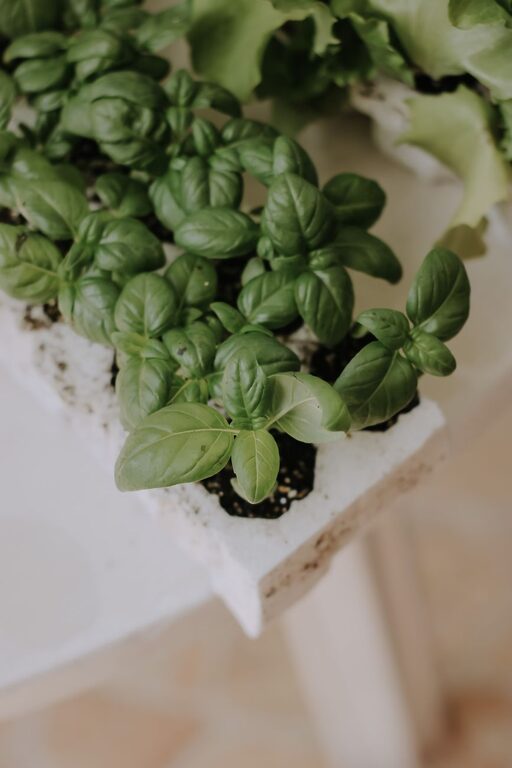
– Basil: Loves bright light and warmth.
– Mint: Easy to grow, but keep separate as it spreads quickly.
– Parsley: Prefers moderate light and consistent moisture.
– Chives: Tolerant of lower light but flourishes with sunlight.
– Thyme: Needs good light and well-draining soil.
– Cilantro: Quick growing but prefers cooler temperatures.
Consider your kitchen’s lighting and select herbs accordingly. If natural sunlight is limited, think about using grow lights.
Selecting Containers and Soil
Containers
Choose pots with drainage holes to prevent waterlogging, which can harm roots. Starting small is fine; herbs generally do well in containers between 4 to 6 inches in diameter. Consider these options:
– Ceramic or terracotta pots
– Plastic containers
– Recycled containers with proper drainage
Soil
Use a high-quality potting mix designed for indoor plants. Avoid garden soil, as it may be too dense and contain pests or diseases. Look for soil that retains moisture but drains well.
Location and Lighting Requirements
Herbs usually need 6 to 8 hours of sunlight daily. Ideal spots include:
– South-facing windows (best natural light)
– East- or west-facing windows (morning or afternoon light)
If your space lacks sufficient sunlight, consider full-spectrum LED grow lights. Position the lights about 6 to 12 inches above the plants and keep them on for 12-16 hours daily to mimic natural daylight.
Planting Your Herbs
Starting from Seeds
– Fill containers with moist potting soil.
– Plant seeds according to package depth instructions.
– Cover lightly with soil.
– Keep soil consistently moist until seeds germinate.
– Thin seedlings as they grow to avoid overcrowding.
Starting from Seedlings or Cuttings
– Select healthy young plants from a nursery.
– Gently loosen roots before transplanting.
– Pot them using fresh potting soil.
– Water well after planting.
Watering and Maintenance Tips
– Watering: Keep the soil moist but not soggy. Check soil moisture with your finger—water when the top inch feels dry.
– Humidity: Indoor air can be dry. Mist plants occasionally or place a tray of water nearby to increase humidity.
– Fertilizing: Use a balanced, water-soluble fertilizer every 4-6 weeks to support growth.
– Pruning: Regularly pinch back leaves to encourage bushier growth and prevent flowering, which can reduce leaf flavor.
– Pest control: Watch for common pests like aphids or spider mites. Wipe leaves with a damp cloth or use mild insecticidal soap if needed.
Harvesting Your Herbs
Harvest herbs in the morning when oils are most concentrated. Use clean scissors or your fingers to snip leaves or stems. Avoid removing more than one-third of the plant at once to keep it healthy.
Troubleshooting Common Issues
| Problem | Possible Cause | Solution |
|——————-|————————-|———————————|
| Yellowing leaves | Overwatering | Reduce watering, improve drainage|
| Leggy growth | Insufficient light | Move to brighter spot or use grow lights|
| Wilting | Underwatering | Increase watering frequency |
| Brown leaf tips | Low humidity or fertilizer burn | Mist plants, adjust fertilizer |
Final Tips for Success
– Rotate pots regularly so all sides receive light evenly.
– Clean leaves gently to remove dust which blocks light.
– Keep a gardening journal to record what works best for your environment.
– Experiment with different herb varieties and container setups.
Starting a small herb garden indoors brings joy, freshness, and a touch of nature into your home. With some basic care and attention, you’ll soon have a lively, aromatic herb garden ready to enhance your cooking and living space. Happy gardening!