









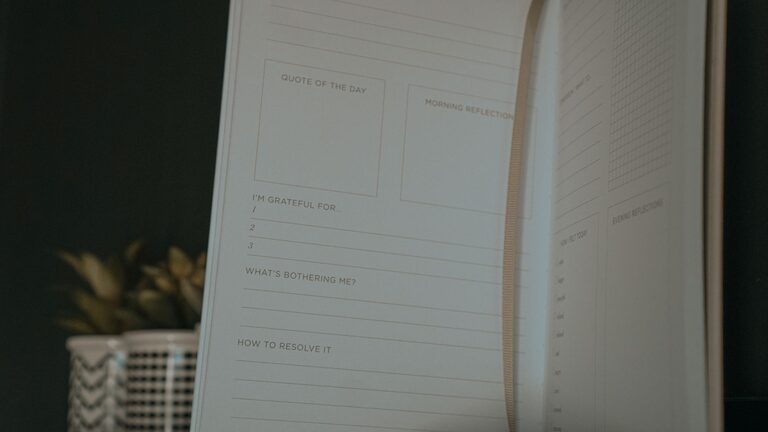
Journaling is a simple yet powerful habit that can help improve your mental clarity, boost creativity, and reduce stress. If you’re new to journaling, starting a daily practice might feel overwhelming. This beginner guide will walk you through easy steps to build the habit of journaling every day and make it a rewarding part of your routine.
Why Journal Every Day?
Daily journaling offers several benefits including:
– Improved self-awareness: Writing regularly helps you understand your thoughts and emotions better.
– Stress relief: Putting your worries on paper can reduce mental clutter and calm your mind.
– Goal setting and tracking: Journals provide space to set, monitor, and celebrate progress on your goals.
– Creative boost: Expressing ideas in writing can spark inspiration and creativity.
– Memory enhancement: Journaling helps capture important moments and insights for future reflection.
The key is to keep it simple and enjoyable so it feels like a helpful tool, not a chore.
Getting Started: What You’ll Need
Before you dive in, gather a few basic supplies:
– Notebook or journal: Choose a size and style you like. It can be lined, blank, or dotted.
– Pen or pencil: Pick something comfortable to write with.
– A quiet spot: Find a place where you can focus and won’t be interrupted.
– Optional tools: Colored pens, stickers, or washi tape for decoration if you enjoy a creative touch.
Your journaling setup doesn’t have to be elaborate. What matters most is consistency.
Tips for Daily Journaling Success
Start Small and Set a Time Limit
Begin with just 5 minutes a day. This short timeframe lowers the barrier to starting and makes the task manageable. You can gradually increase the time as journaling becomes part of your routine.
Create a Routine
Try journaling at the same time every day, such as first thing in the morning or before bed. Having a set time makes it easier to remember and develop into a habit.
Use Prompts
If you’re unsure what to write, prompts can guide your thoughts. Some easy prompts include:
– What am I grateful for today?
– What are my top priorities tomorrow?
– How am I feeling right now?
– What was a highlight of my day?
– What challenges did I face and how did I respond?
Be Honest and Nonjudgmental
Your journal is a private space for your thoughts. Write honestly without worrying about grammar, spelling, or how it sounds. The goal is expression, not perfection.
Mix Formats
You don’t have to stick to paragraphs. Feel free to write lists, draw, doodle, or even paste in photos or clippings. Keeping your journal interesting helps maintain motivation.
Reflect Occasionally
Once a week or month, read back through your entries. This reflection can reveal patterns, growth, and insights that encourage you to keep journaling.
Sample Daily Journaling Routine
- **Find your space:** Sit in your quiet spot with your journal and pen.
- **Set a timer:** Start with 5 minutes.
- **Open with a prompt:** For example, write three things you’re grateful for today.
- **Free write:** Jot down any thoughts, feelings, or ideas that come to mind.
- **Close positively:** End with a hopeful or motivational sentence to yourself.
Overcoming Common Challenges
“I Don’t Have Time”
Remember, journaling only takes a few minutes. Even a quick jotting of thoughts counts toward building the habit.
“I Don’t Know What to Write”
Use prompts or simply start by describing your day. Writing doesn’t have to be deep or complicated.
“My Hand Gets Tired”
Try typing your journal on a computer or phone if that feels easier.
“I Missed a Day”
Don’t worry about perfection. Just start fresh the next day without guilt.
Benefits You’ll Notice Over Time
With daily journaling, many people experience:
– Clearer thinking and decision-making
– Reduced anxiety and stress levels
– Greater motivation and focus on goals
– Enhanced creativity and problem-solving
– Increased self-compassion and emotional resilience
Final Thoughts
Starting a daily journaling habit is a wonderful step toward a calmer, more mindful life. By keeping it simple, building it into your routine, and being kind to yourself, you’ll find journaling becomes a meaningful and enjoyable practice. Grab a notebook and give it a try—your future self will thank you!