









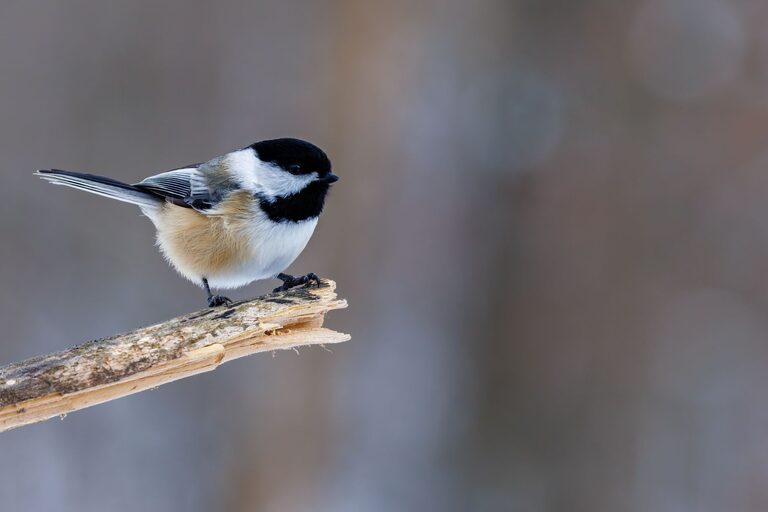
Birdwatching is a wonderful way to connect with nature, relax, and learn about the feathered friends living right outside your door. Whether you have a large garden or a small balcony, backyard birdwatching offers a rewarding hobby that anyone can enjoy. If you’re new to this pastime, here are some beginner tips to help you get started on the right foot.
Why Birdwatching?
Before diving into tips, it’s good to understand why birdwatching is such a popular activity. Watching birds encourages mindfulness and appreciation of the natural world. It’s a peaceful activity that can reduce stress and provide hours of entertainment. Plus, learning about different bird species boosts your knowledge of local wildlife.
Setting Up Your Backyard for Birdwatching
Attracting birds to your backyard starts with creating a welcoming environment. Here are some simple steps you can take:
1. Provide Food Sources
Birds need nourishment, especially in urban areas where natural food can be scarce.
– Bird Feeders: Invest in basic feeders such as tube feeders, platform feeders, or suet feeders. Different birds prefer different types of feeders.
– Seeds and Food: Black oil sunflower seeds appeal to many songbirds. Nyjer seeds attract finches. Suet cakes provide energy in colder months.
– Native Plants: Incorporate shrubs, trees, and flowers that produce berries, seeds, and nectar.
2. Ensure Fresh Water
Birds require water for drinking and bathing.
– Use a shallow birdbath or a small fountain.
– Change water frequently to keep it clean.
– Place water in a visible yet safe spot to help birds feel secure.
3. Create Shelter and Nesting Spots
Birds seek safe places to rest and raise their young.
– Leave dead branches or piles of leaves where safe.
– Install birdhouses suited for local species.
– Plant dense bushes or hedges.
Getting the Right Gear
You don’t need expensive equipment to enjoy birdwatching, but a few tools can enhance the experience.
Binoculars
A quality pair of binoculars helps you observe details without disturbing birds. Look for lightweight models with magnification around 8x to 10x.
Field Guide or App
Field guides offer photos and descriptions to help identify species. There are also many smartphone apps with bird calls and interactive features.
Notebook or Journal
Keeping notes about sightings, behaviors, and dates can improve your skills and provide a record of your birdwatching adventures.
How to Observe Birds Responsibly
Respect for wildlife ensures birds continue to visit your backyard safely.
– Approach slowly and quietly.
– Avoid sudden movements or loud noises.
– Keep feeders clean to prevent disease.
– Don’t handle wild birds or nests.
Learning to Identify Birds
Identifying birds can be challenging but is part of the fun. Focus on these key features:
– Size and Shape: Is the bird small, medium, or large? Does it have a long tail or short wings?
– Color Patterns: Note the colors on the head, back, belly, and wings.
– Behavior: Is the bird hopping, perching, or soaring? Does it feed on the ground or in trees?
– Sounds: Listen to songs and calls, which are often unique to species.
Try to observe one bird closely and compare what you see to identification guides.
Best Times for Birdwatching
Birds are usually most active during early morning and late afternoon. These times offer better lighting and more bird activity. Watching during seasonal changes, like migration periods, can reveal exciting new species.
Joining a Birdwatching Community
Connecting with others can enrich your experience.
– Join local birdwatching groups or nature clubs.
– Participate in citizen science projects like the Audubon Christmas Bird Count.
– Share your sightings and photos online.
Common Backyard Birds to Expect
Depending on your region, some birds commonly visit backyards. Examples include:
– Northern Cardinal
– American Robin
– Blue Jay
– Mourning Dove
– Chickadees
– House Finch
Check regional guides for species typical to your area.
Troubleshooting Tips
– If birds aren’t visiting, relocate feeders to a quieter part of the yard.
– Avoid placing feeders too close to windows to prevent collisions.
– Clean feeders regularly to keep birds healthy.
Conclusion
Starting backyard birdwatching is simple and rewarding. By providing food, water, and shelter, using binoculars and guides, and observing respectfully, you’ll enjoy many memorable encounters with birds. So grab your binoculars and step outside—your backyard is a rich world waiting to be discovered. Happy birdwatching!