








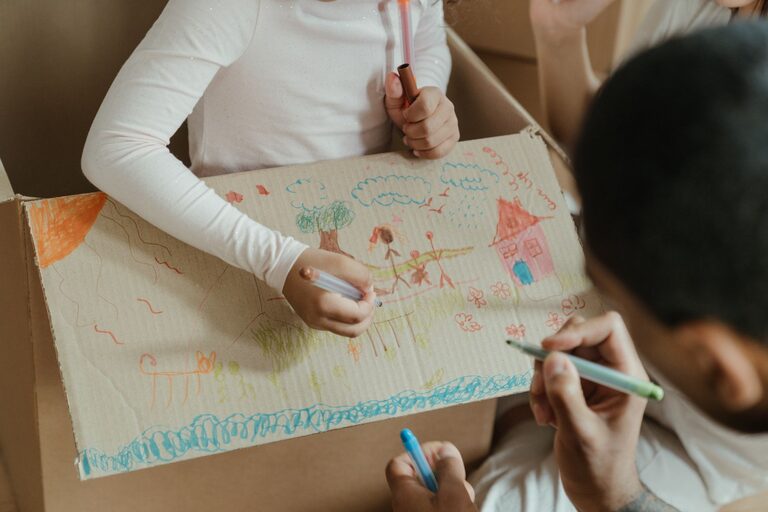
Children’s artwork is a wonderful expression of their creativity and growth. From colorful paintings to imaginative crafts, these pieces are often treasured keepsakes for parents. However, as the art collection grows, it can quickly become overwhelming and cluttered. Organizing kids’ art not only helps you maintain a tidy home but also allows you to cherish these creations in a meaningful way.
In this post, we’ll explore practical tips and ideas for keeping your child’s artwork organized, displayed, and safely stored.
Why Organize Kids’ Artwork?
Before diving into methods, it’s helpful to understand the benefits of organizing children’s art:
– Preserve Memories: Organizing ensures special pieces are saved and protected.
– Reduce Clutter: Keeps your home neat and prevents art from piling up randomly.
– Encourage Creativity: Displayed art boosts your child’s confidence and motivation.
– Easy Access: When needed for projects or gifts, art is easy to find.
Create a Dedicated Art Space
One of the best ways to stay on top of art clutter is by setting up a specific area for art-related activities.
Art Station or Corner
– Choose a spot with ample lighting and workspace.
– Include shelves or bins for supplies and finished art.
– Make it kid-friendly so your child can independently store their work.
Display Area
– Use a bulletin board, corkboard, or magnetic wall to showcase recent pieces.
– Rotate art regularly to keep the display fresh and engaging.
– Involve your child in choosing what to display.
Sort and Categorize Artwork
Having a system for sorting art can make organization manageable.
Categories to Consider
– By Age or Grade: Track progress over time.
– By Type: Paintings, drawings, crafts, or school projects.
– By Size: Group small and large pieces separately.
Use Sorting Tools
– Labelled folders or portfolios for each category.
– Clear plastic sleeves to protect delicate pieces.
– Storage boxes with dividers.
Storage Solutions for Artwork
Finding the right place to store art is key to keeping it safe and accessible.
Flat Storage for Paper Art
– Large, shallow plastic bins or flat archival boxes.
– Under-bed storage containers are a space-saving option.
– Portfolio folders with handles are convenient for transport or display.
Three-Dimensional Art Storage
– Use clear plastic containers to avoid dust buildup.
– Shelves or cubbies for sculptures or craft projects.
– Consider photographing fragile 3D pieces before discarding to save space.
Digital Archiving: Preserve Art Without Physical Clutter
Digitizing artwork is an excellent way to keep memories without filling your home.
How to Digitize
– Use a scanner or take high-quality photos in good lighting.
– Store images in organized digital folders labeled by date or theme.
– Consider creating photo books or digital slideshows.
Benefits of Digital Storage
– Easy to share with family and friends.
– Saves physical space.
– Allows for creative ways to repurpose art (calendars, cards, etc.).
Make Art Organization a Family Activity
Involving your children in the organization process teaches responsibility and pride in their work.
Tips for Family Involvement
– Set a regular schedule for sorting and displaying art.
– Let kids decide which pieces to keep, digitize, or recycle.
– Create a “gallery night” where the family views and discusses new art.
Creative Display Ideas to Celebrate Artwork
Beyond storage, displaying kids’ art brings joy and inspiration.
DIY Frames and Gallery Walls
– Use inexpensive frames or clipboards to showcase favorite pieces.
– Create a gallery wall in a hallway or playroom.
– Rotate art to keep the exhibit dynamic.
Functional Displays
– Turn artwork into placemats, wrapping paper, or greeting cards.
– Hang art on a clothesline with clips for an easy-to-update display.
Decluttering: When and How to Let Go
It’s natural to accumulate a lot of artwork, but not every piece needs to be kept.
Strategies for Decluttering
– Keep “highlight” pieces and recycle others.
– Use digital copies for artwork you choose not to keep physically.
– Set limits on storage space to avoid excessive accumulation.
Emotional Considerations
– Remember that saving every piece isn’t necessary to cherish your child’s creativity.
– Focus on quality and sentimental value rather than quantity.
Final Thoughts
Organizing kids’ artwork may require some planning, but the benefits are worth it. With dedicated spaces, sorting systems, and creative storage, you can keep your child’s masterpieces safe and accessible without overwhelming your home. Plus, involving your family in the process turns organization into a fun and meaningful activity.
Celebrate your child’s creativity in a way that brings joy and order to your living space!